The stages
Milly D'Abbraccio
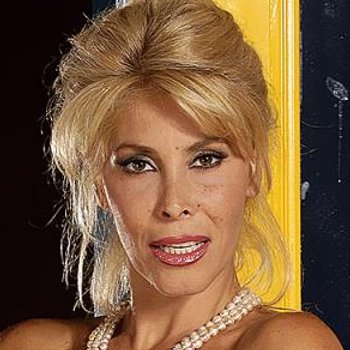
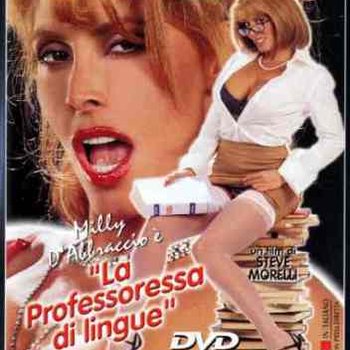
Milly D'Abbraccio is the name Emilia Cucciniello, born in Avellino in 1964, used across theatre, television, adult film and politics: a career no publicist could have planned.
Watch Milly D'AbbraccioShe left adult film in 2005, without ceremony.

Partners






Origins
Her story starts in a family of theatre people: a grandfather in the San Carlo orchestra, a painter grandmother, a director mother. The stage was not a fallback, it was the starting point.
In 1978 she won Miss Teenager, the next year she cut a 45 as Milli Mou and began working in Gianni Boncompagni's television shows. Then cinema, theatre, and in 1989 a decision that scandalised Italy.
Four trades, one name. What follows is the part that can be checked: the Avellino years, the Diva Futura decade, and the political campaigns that came after.
The page is not arranged to flatter. Television appearances, film credits, a retirement in 2005 and a public return to sex work in 2012 all sit in the same record.
The stages
Beauty contests, a single and Boncompagni's studio lights.
Schicchi's roster, then sixteen years in front of the camera.
Ballot papers, a record label and a decision she made public.
Career
Gallery
Biography
The context
The Italy she worked in treated adult film as a branch of show business. Diva Futura, built around Riccardo Schicchi in the 1980s, put its performers on magazine covers and in television studios, and the line between celebrity and notoriety barely existed.
By 1989 the market was changing: video was replacing cinema prints and the audience was moving to rental shops. A performer with a television face was worth more than one with a film contract.
Her name still circulates for the same reason it did in 1990: she was recognisable before she was respectable. That tension is the subject of this profile, and it is why the record is presented without decoration.
Read the stages in order and a pattern appears. Each one borrowed the visibility of the last: television made the cinema possible, cinema made the political candidacies possible, and the candidacies returned her to the front pages years after she left the set.
She left adult film in 2005, without ceremony.